Why Spray Foam Contractors Can't Skip Pollution Liability
May 12, 2026
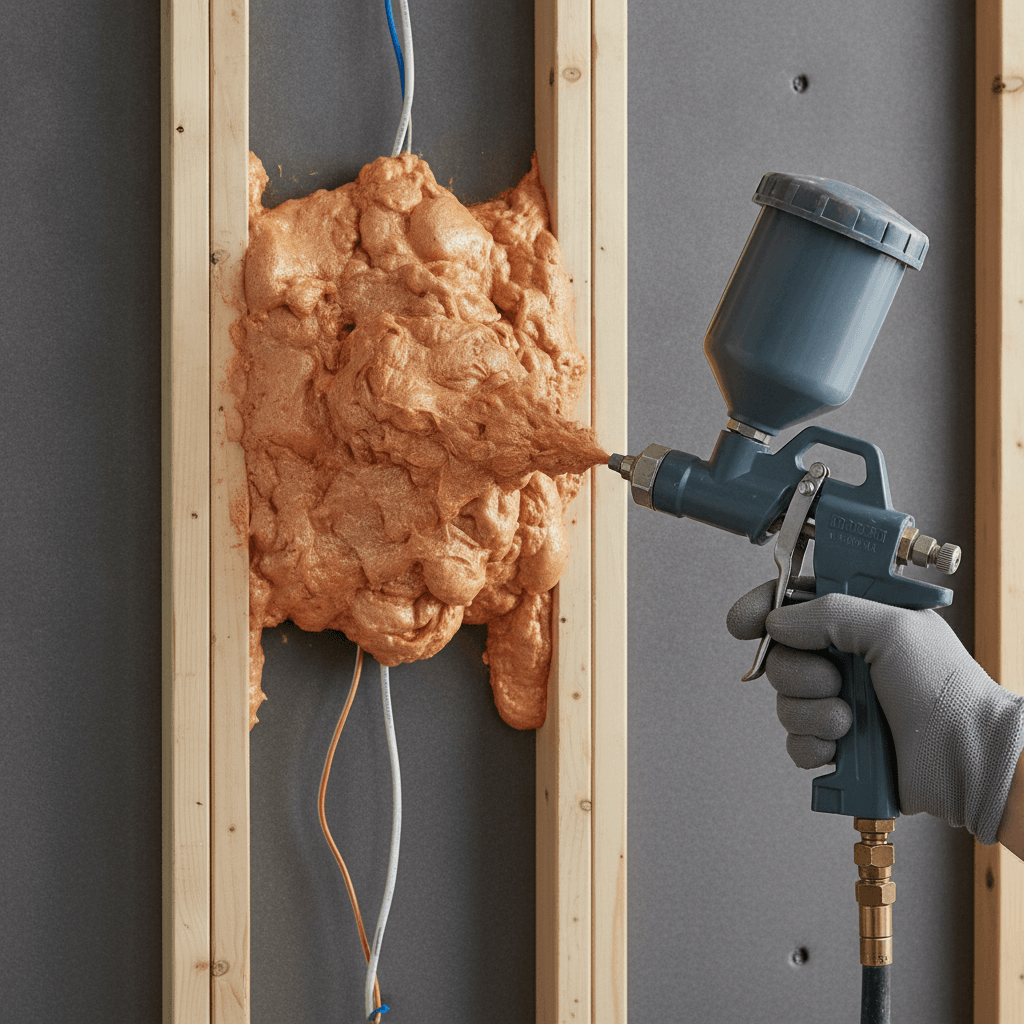
If you run a spray foam business and carry only a commercial general liability policy, you may have a dangerous gap you don't know about. It comes down to one clause—the pollution exclusion—and how the industry classifies foam.
Foam Is a Pollutant
Polyurethane spray foam and its components, including isocyanates, are treated as pollutants under standard insurance definitions. That's not a knock on the product—it's a classification that has real consequences for how claims are handled.
The CGL Pollution Exclusion
Standard commercial general liability policy forms contain a pollution exclusion: they exclude bodily injury and property damage arising from the discharge, dispersal, or release of pollutants. Because foam is classified as a pollutant, a foam-related claim—chemical exposure, off-gassing, odour, improper cure—can be denied under that exclusion. The contractor assumes they're covered by CGL; they're not.
What Contractor's Pollution Liability Does
Contractor's pollution liability (CPL) is the coverage that fills the gap. It covers third-party bodily injury and property damage arising from the foam itself—the exposures the CGL excludes. For a spray foam contractor, CPL isn't an optional upgrade; it's the coverage that makes the rest of the program meaningful.
The Claims That Trigger It
Real-world CPL claims for SPF contractors include: a homeowner reporting persistent odour and air-quality complaints after installation, foam that fails to cure properly and is alleged to cause harm, off-gassing that damages property or prompts a health claim, and isocyanate-exposure allegations during or after application. Without CPL, each of these can be denied by a CGL carrier.
How to Structure It
CPL can be written as a standalone policy or as an endorsement to your CGL. Either way, confirm it covers completed operations (so post-job claims are included) and that the limits match what general contractors and your own risk require. Many GCs now require proof of pollution coverage before they'll let an SPF sub on site.
Don't Find Out at Claim Time
The worst time to discover the pollution exclusion is when a claim is denied. If you spray foam and don't have contractor's pollution liability, you have a gap. We'll review your current policy and place CPL that actually closes it. Request a free quote today.
Ready to Protect Your Spray Foam Business?
Get a free quote with pollution liability built in.
Get Free Quote